
Upgrading Your Motorcycle Seat for Comfort
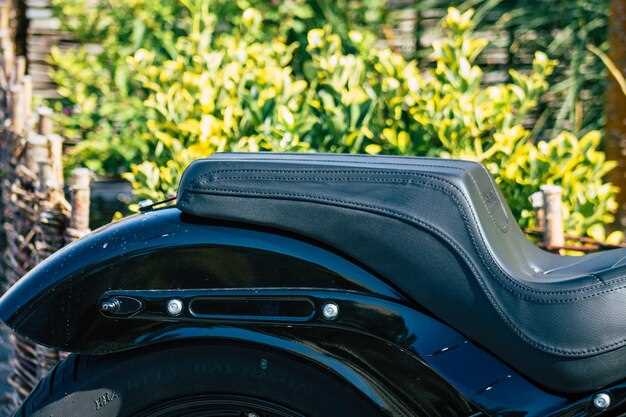
For motorcycle enthusiasts, the thrill of the ride is often accompanied by the quest for comfort. One of the most significant factors that contribute to the overall riding experience is the motorcycle seat. A well-designed seat not only enhances comfort but also promotes better control and endurance during long rides. Without it, riders may find themselves shifting uncomfortably or experiencing fatigue much sooner than expected.
Many riders overlook the importance of their motorcycle seat, assuming that stock options are sufficient. However, investing in an upgraded seat can transform your rides into a more enjoyable experience. Enhanced cushioning, improved ergonomics, and tailored support can make a world of difference, allowing you to focus on the road ahead rather than discomfort. A custom seat designed for your unique body shape and riding style can significantly impact your performance and enjoyment.
Upgrading your motorcycle seat is not merely a luxury but a practical enhancement that caters to the diverse needs of riders. Whether tackling winding roads or cruising on the open highway, a comfortable seat can elevate your journeys to new heights. With various options available–from gel inserts to memory foam–there’s a perfect fit for every rider. Elevate your riding experience and make every journey unforgettable by prioritizing the comfort of your motorcycle seat.
Choosing the Right Material for Comfortable Long Rides
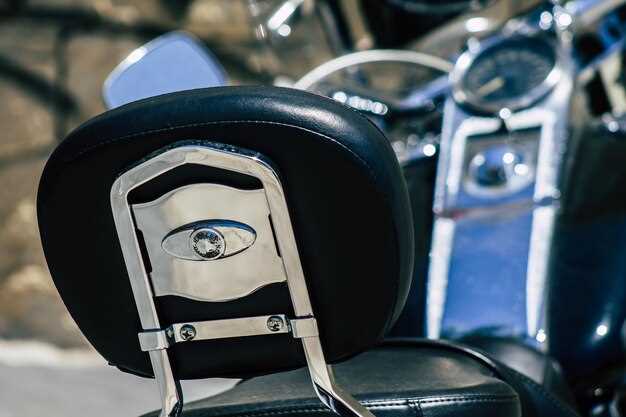
When it comes to upgrading your motorcycle seat for long rides, the choice of material plays a crucial role in overall comfort. The right material not only enhances the feel of your seat but also affects durability and maintenance.
Seat covers can be made from various types of materials, each with distinct advantages. One popular option is leather, known for its luxurious feel and durability. Leather seats offer excellent support and can mold to the shape of your body over time, providing superior comfort during extended journeys. However, they require regular maintenance to keep them looking and feeling great.
Another excellent material is synthetic leather, which mimics the look and feel of genuine leather but is generally easier to clean and maintain. This material is resistant to weather conditions, making it a practical choice for riders who face varying climates on long trips.
Gel padding is another option worth considering. Gel seats provide exceptional cushioning and can help reduce pressure points, making them ideal for long rides. Combining gel with other materials, such as foam or leather, can enhance overall comfort and support.
Memory foam is another popular choice for motorcycle seats. It adapts to the shape of your body, offering customized comfort. Ideal for long-distance travel, memory foam can alleviate fatigue and discomfort, allowing the rider to focus on the road ahead.
Lastly, consider breathable materials. These help regulate temperature and moisture, especially on hot days. A breathable seat cover ensures a comfortable ride without the discomfort of sweat or overheating.
In conclusion, choosing the right material for your motorcycle seat is essential for enhancing comfort during long rides. Evaluate the options based on your riding style, weather conditions, and personal preferences to ensure every ride is as enjoyable as possible.
Installation Tips for Your New Motorcycle Seat
Installing a new motorcycle seat can significantly enhance your rides by improving comfort and support. Follow these essential tips to ensure a successful installation process.
First, gather the necessary tools before you begin. Common tools required include a socket set, screwdrivers, and potentially a torque wrench, depending on your motorcycle model. Having everything ready will streamline the installation process and prevent delays.
Next, carefully remove the old seat. Typically, this involves locating and unscrewing the mounting bolts or clips that secure the seat to the motorcycle frame. Make sure to keep these fasteners in a safe place, as you will need them to secure your new seat.
Once the old seat is removed, take the opportunity to clean the motorcycle’s seat area. Removing dirt and debris ensures a better fit for your new seat and prevents damage to the paint or bodywork.
Before attaching the new seat, verify that it aligns correctly with the mounting points. Your new seat should fit snugly without any gaps. If the seat is not properly aligned, check for any obstructions or misalignments caused by the frame or other components.
When you are ready to install the new seat, carefully position it onto the motorcycle. Gently press down to ensure it sits correctly, then secure it using the original fasteners. Be cautious not to overtighten them, as this can damage the seat or the mounting points.
After installation, take a moment to test the fit. Ensure that the seat does not interfere with any controls, and test the stability by pushing down gently on the seat. It should remain firmly in place while still offering some flexibility for added comfort during rides.
Finally, before heading out for a ride, take a short spin to evaluate how the new seat performs. Pay attention to any discomfort or pressure points, as this can help you determine if further adjustments are necessary.
Maintaining Your Motorcycle Seat for Durability and Comfort

To ensure your motorcycle seat remains comfortable and lasts through many rides, regular maintenance is essential. Start by cleaning the seat after each ride, particularly if you’ve been in wet or muddy conditions. Use a mild soap solution and a soft cloth to gently wipe away dirt and debris. This simple practice helps prevent the buildup of grime that can lead to deterioration.
For leather seats, it is crucial to apply a quality leather conditioner periodically. This will keep the material supple and prevent cracking, especially during long rides when exposure to elements is higher. Ensure you choose a conditioner that is suitable for motorcycle seats and follow the manufacturer’s guidelines for application.
Additionally, inspect the seat for any signs of wear or damage regularly. Look for loose stitching or cracks, as these can compromise comfort and durability. If you notice any issues, address them promptly to avoid further damage. Repairs may include sewing loose threads or using specialized adhesives for small tears.
Investing in a protective cover when your motorcycle is parked for long durations can help shield the seat from UV rays and weather elements, which can degrade materials over time. This is particularly important if you leave your bike parked outdoors. A good quality cover will also maintain the overall look and feel of your seat.
Incorporating these maintenance practices will enhance the durability and comfort of your motorcycle seat, ensuring that every ride–short or long–is enjoyable. Regular care not only extends the life of your seat but also ensures that it remains a comfortable part of your riding experience.