
How to Get Your Motorcycle License in the U.S.

Obtaining a motorcycle license in the United States is a crucial step for anyone looking to enjoy the freedom and thrill of riding. Each state has its own specific requirements and procedures, which can vary widely. Understanding these regulations can streamline the process and help aspiring riders get on the road safely and efficiently.
To begin, individuals must usually complete a motorcycle safety course that not only teaches essential riding skills but may also provide valuable insights into traffic laws. Successfully completing this course can often exempt you from certain testing requirements, making it a smart choice for many beginners.
After receiving the necessary training, the next step typically involves passing a written exam to demonstrate knowledge of road signs, traffic rules, and safe riding practices. Following this, applicants must take a skills test to showcase their practical riding abilities on a motorcycle. Once all requirements are fulfilled, riders can apply for their motorcycle license, allowing them to hit the open road with confidence and legal authorization.
Understanding the Requirements for Different States
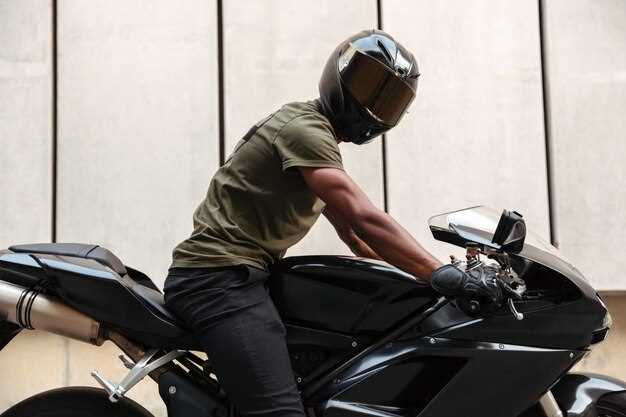
When it comes to obtaining a motorcycle license in the United States, it is essential to recognize that requirements vary significantly from state to state. Each state’s Department of Motor Vehicles (DMV) sets its own regulations, making it crucial for aspiring motorcyclists to familiarize themselves with local laws before beginning the licensing process.
In most states, the first step involves obtaining a motorcycle learner’s permit, which typically requires passing a written exam covering traffic laws, safe riding practices, and specific motorcycle regulations. Applicants must usually be at least 16 years old, although some states allow younger individuals to apply with parental consent.
Many states mandate a motorcycle safety course as a prerequisite for obtaining a full license. Completing a certified Motorcycle Safety Foundation (MSF) course not only enhances riding skills but often waives the riding skills test, expediting the path to licensure. Additionally, many insurance companies provide discounts to riders who have completed such training.
The transition from a learner’s permit to a full motorcycle license generally entails a road test to assess practical riding skills. However, certain states offer alternative pathways, such as an e-learning course followed by an online test, which may not require a road skills evaluation.
It is important for applicants to check their specific DMV website for detailed instructions, as fees, age limitations, and testing processes may differ. For example, while a few states might issue a motorcycle endorsement on a standard driver’s license, others require a separate motorcycle license entirely. Furthermore, specific identification documents and proof of residency are often necessary when applying.
Understanding these varied requirements can help streamline the process of getting your motorcycle license and ensure compliance with state laws. It is advisable to keep updated with any changes in regulations by regularly visiting your state’s DMV website.
Navigating the DMV Process for Motorcycle Licensing
Obtaining a motorcycle license in the United States involves a series of steps that differ by state, but generally follow a similar structure. Understanding how to navigate the DMV process is crucial for a smooth licensing experience.
- Check State Requirements:
Before you begin the process, visit your state’s DMV website to review specific requirements related to motorcycle licenses. Requirements may include age, documents needed, and fees.
- Complete a Motorcycle Safety Course:
Many states recommend or require completion of a motorcycle safety course. This course often includes classroom instruction and practical riding experience, which can also lead to a waiver for the riding skills test.
- Gather Necessary Documentation:
Prepare the necessary paperwork before visiting the DMV:
- Valid identification (driver’s license or state ID)
- Proof of residency
- Completion certificate from a safety course (if applicable)
- Payment for licensing fees
- Visit the DMV:
Head to your local DMV office. It’s advisable to make an appointment in advance to minimize wait times.
- Pass Required Tests:
At the DMV, you will likely need to complete the following:
- Written knowledge test covering traffic laws and motorcycle safety
- Vision test to ensure you can see adequately for safe riding
- Riding skills test (if you didn’t complete a safety course or it is not waived)
- Receive Your License:
Upon successful completion of all tests and payment of fees, you will receive your motorcycle license. In some states, this may be issued immediately, while others may mail it to you.
Following these steps will help you navigate the DMV process effectively, ensuring you are well-prepared to obtain your motorcycle license.
Preparing for the Motorcycle Skills Test

To successfully obtain your motorcycle license, preparing for the motorcycle skills test is crucial. This test evaluates your ability to operate a motorcycle safely and effectively, ensuring you are ready for the challenges of the road.
First, familiarize yourself with the specific requirements set by your DMV. Each state may have different standards and maneuvers that you need to practice. Check your local DMV website for a detailed outline of the skills you will be tested on, such as turning, stopping, and swerving.
To prepare, consider enrolling in a motorcycle safety course. These courses provide structured instruction and cover essential skills. Many programs also offer a waiver for the skills test upon completion, making it an efficient way to prepare.
Practice is vital. Spend ample time riding your motorcycle in a safe, open area. Focus on mastering the basics: begin with straight-line riding, stopping, and slow-speed maneuvers. Gradually increase your skill level by introducing more complex exercises, such as weaving through cones and emergency braking.
Before the test day, ensure your motorcycle is in good working condition. Check the brakes, lights, and tires to avoid any mechanical failures that could hinder your performance. Additionally, arrive at the test location early to reduce stress and ensure you are adequately prepared.
On the day of the test, remember to remain calm and focused. Listen carefully to the examiner’s instructions and demonstrate your skills confidently. Show that you can control the motorcycle effectively and adhere to safety practices.
By thoroughly preparing for the motorcycle skills test, you increase your chances of obtaining your motorcycle license successfully while developing essential riding skills for a lifetime of safe motorcycling.