
The History of Sturgis Motorcycle Rally
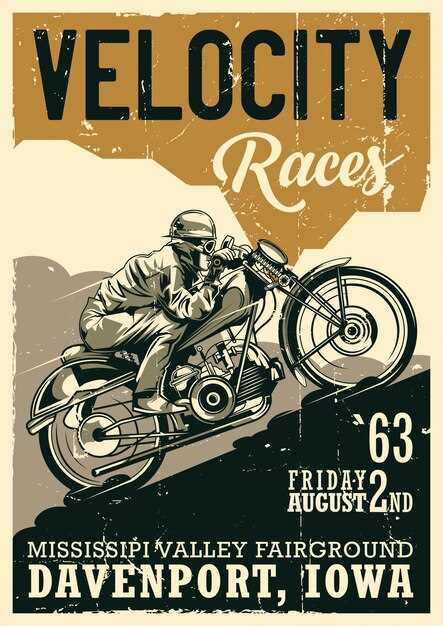
The Sturgis Motorcycle Rally, held annually in the small town of Sturgis, South Dakota, has become a legendary event that celebrates biker culture and the freedom of the open road. First organized in 1938 by a group of motorcycle enthusiasts known as the Jackpine Gypsies, the rally was originally intended as a small motorcycle race. Over the decades, it has morphed into a massive gathering that attracts hundreds of thousands of bikers from around the globe, reinforcing a tradition that embodies the very essence of camaraderie and adventure among motorcycle lovers.
With its roots steeped in the spirit of rebellion and independence, the Sturgis Motorcycle Rally represents more than just a gathering of motorcycles; it symbolizes a way of life for many. The event has adapted through the years, evolving alongside shifts in American culture while still remaining true to its foundational principles. Bikers congregate not only to showcase their machines but also to share their experiences, stories, and to foster a sense of community amongst fellow riders.
The cultural impact of the Sturgis Motorcycle Rally extends far beyond its impressive attendance figures. It plays a pivotal role in shaping perceptions of the biker lifestyle, influencing fashion, music, and automotive design. The rally has also become a significant economic driver for Sturgis and surrounding areas, demonstrating how a simple gathering has transformed into a cultural institution that celebrates both motorcycle tradition and the bonds formed on the road.
Origins and Growth of the Sturgis Motorcycle Rally
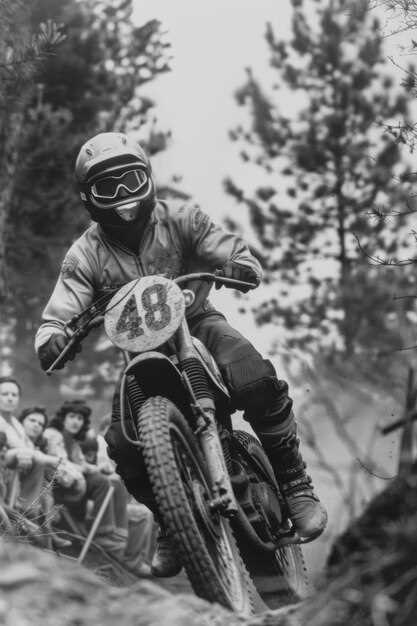
The Sturgis Motorcycle Rally, held annually in South Dakota, traces its origins back to 1938. Initially conceived as a small gathering of local bikers, the event was organized by the Jackpine Gypsies, a motorcycle club dedicated to fostering a sense of camaraderie among riders. The first rally attracted only about 9 participants, but it laid the foundation for what would become a significant cultural phenomenon.
As the years progressed, the rally began to gain traction. By the 1950s, the event evolved from a modest motorcycle race into a broader celebration of biker culture. Local businesses recognized the potential for tourism, and they adapted to cater to the growing number of attendees. This melding of tradition and commercialism played a crucial role in the rally’s expansion, positioning Sturgis as a must-visit destination for motorcycle enthusiasts.
Throughout the 1960s and 1970s, the Sturgis Motorcycle Rally continued to flourish. The counterculture movement intertwined with biker lifestyles, introducing more diverse crowds to the event. The rally became a symbol of freedom, rebellion, and American individuality. As it grew, the event began to feature live music, custom bike shows, and various competitions, further solidifying its status as a cultural staple.
By the 1980s, the Sturgis Motorcycle Rally transformed into one of the largest motorcycle gatherings globally. Attendance surged to over 100,000 participants, showcasing the vibrant and often rebellious spirit of the biker community. Despite the influx of tourists and media attention, the rally retained its roots in motorcycle culture, serving as a gathering for bikers to celebrate their passion.
Today, the Sturgis Motorcycle Rally stands as a testament to the enduring tradition of motorcycling. It continues to attract hundreds of thousands of bikers from around the world, celebrating not only the machines but also the lifestyle that has developed around them. This growth reflects the rally’s ability to adapt while honoring its original principles, making it a timeless fixture in the landscape of motorcycle culture.
Key Events and Milestones Shaping Biker Culture
The Sturgis Motorcycle Rally, held annually in Sturgis, South Dakota, has been a pivotal event in shaping the biker culture since its inception in 1938. Initially organized by a group of enthusiasts known as the Jackpine Gypsies, the rally has grown from a modest gathering of around 200 participants to one of the largest motorcycle rallies in the world, attracting hundreds of thousands of bikers every August.
One of the key milestones in the history of the rally occurred in the 1960s when motorcycle culture began to permeate mainstream society. This period witnessed the emergence of counterculture movements, with bikers often symbolizing freedom and rebellion. The Sturgis Rally became a focal point for these ideals, and the camaraderie among participants fostered a sense of community that remains strong today.
The infamous 1970 Sturgis Rally turned into a significant event, characterized by a high-spirited atmosphere and an influx of attendees. This gathering marked the first time the rally featured live music and organized events, eventually paving the way for the entertainment aspect that is now a staple of the rally.
In the 1980s, the introduction of vendor booths and custom bike shows transformed the Sturgis experience. This diversification not only catered to varied interests within the biking community but also highlighted the artistic side of motorcycle culture, showcasing the craftsmanship behind custom builds and modifications.
The rally’s popularity continued to burgeon into the 1990s and early 2000s, partly due to media coverage and popular films like “Easy Rider,” which celebrated not just motorcycles but the lifestyle associated with them. The increasing visibility of biker culture helped to dispel certain stereotypes, showcasing bikers as enthusiasts and community advocates, rather than outlaws.
In recent years, Sturgis has adapted to changing demographics and interests within the biker community. The incorporation of family-friendly activities and a broader range of musical genres reflects an attempt to appeal to a wider audience while maintaining the rally’s historical roots. Events such as group rides, charity events, and safety courses have further contributed to the rally’s reputation as a cultural phenomenon that celebrates not only motorcycles but the lifestyle and values they represent.
Overall, the Sturgis Motorcycle Rally remains a cornerstone of biker culture, symbolizing freedom, camaraderie, and a shared passion for the open road. As it evolves, the rally will continue to define and reshape the identity of bikers for generations to come.
The Role of Sturgis in Modern Motorcycling Communities
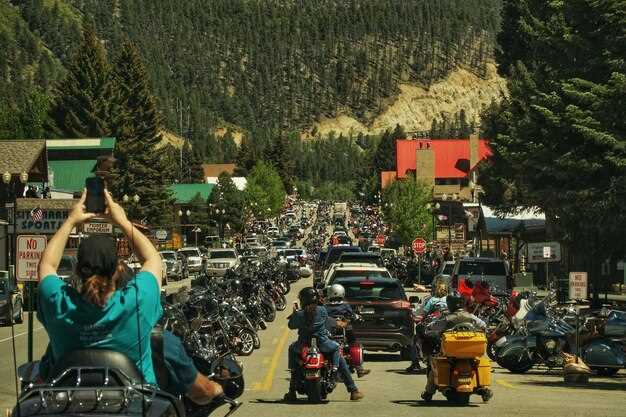
The Sturgis Motorcycle Rally, held annually in Sturgis, South Dakota, has become a cornerstone of modern motorcycling culture. Founded in 1938, this event embodies the spirit of biker tradition, attracting hundreds of thousands of motorcycle enthusiasts from around the globe. The rally serves not only as a platform for showcasing custom bikes and innovations in motorcycle technology but also fosters a sense of community among bikers.
One of the most significant roles Sturgis plays is in uniting diverse groups within the motorcycling community. Riders from various backgrounds come together to celebrate a shared passion for motorcycles, creating bonds that transcend geographic and cultural boundaries. This tradition emphasizes camaraderie and mutual respect among participants, reinforcing the idea that motorcycling is not just a hobby, but a lifestyle.
Sturgis also acts as a venue for educational opportunities, where seasoned riders share knowledge on motorcycle maintenance, safety practices, and riding techniques. This commitment to education reinforces the importance of responsible riding and promotes a culture of safety within the community. As such, the rally nurtures not only the thrill of riding but also a conscientious approach to the sport, ensuring that the biker tradition continues responsibly into the future.
Moreover, Sturgis has become a vital intersection for commerce and culture in the motorcycling world. Local businesses thrive during the rally, providing products and services tailored to the biker lifestyle. This economic impact solidifies the rally’s position as a cultural touchstone, where global trends in the motorcycling community can be observed and celebrated.
In summary, the role of Sturgis in modern motorcycling communities extends far beyond a mere gathering of enthusiasts. It is a celebration of tradition, a promoter of safety and education, and a catalyst for economic vitality. Through its enduring legacy, Sturgis continues to shape the identity of motorcycling culture and serves as a beacon for bikers worldwide.