
Beginner’s Guide to Riding a Motorcycle

Learning how to ride a motorcycle can be an exhilarating and liberating experience for new riders. However, it is essential to approach this adventure with the right mindset and preparation. This article aims to provide valuable tips on how to start your journey safely and confidently, ensuring that your time on the road is enjoyable and secure.
As a new rider, understanding the basics of motorcycle operation is crucial. From knowing how to handle the controls to mastering essential riding techniques, each step is vital in building your skills. In this guide, we will explore practical approaches to get you ready to ride and help you develop a solid foundation for future outings.
Safety should always be at the forefront of your mind when you learn to ride a motorcycle. Implementing proper gear, such as helmets, jackets, and gloves, not only enhances your protection but also boosts your confidence as you navigate different terrains. Throughout this article, we will discuss how new riders can prioritize safety while embracing the thrill of motorcycling.
Choosing the Right Motorcycle for Your Skill Level

For new riders, selecting the appropriate motorcycle is crucial to ensure a safe and enjoyable experience. Understanding your skill level is the first step in this process. New riders often underestimate the impact of motorcycle power, weight, and handling on their riding experience.
Start with Smaller Displacement Motorcycles: Generally, smaller displacement motorcycles (250cc to 500cc) are recommended for beginners. These bikes are easier to handle and provide a manageable amount of power, allowing new riders to focus on developing their skills without feeling overwhelmed.
Consider the Motorcycle’s Weight: The weight of a motorcycle can significantly affect handling. Lighter bikes are often easier for new riders to maneuver, especially when it comes to stopping, starting, and parking. It’s advisable for beginners to choose a motorcycle that they can comfortably lift or move around if needed.
Evaluate the Riding Position: The ergonomics of a motorcycle also play a vital role in comfort and control. New riders should test different models to find a riding position that feels natural. Sport bikes may offer aggressive postures, while cruisers usually provide a more relaxed stance, which can be easier for new riders to manage.
Look for User-Friendly Features: Some motorcycles come equipped with features that make them more beginner-friendly, such as anti-lock braking systems (ABS), which can help prevent wheel lock during sudden stops. New riders should look for models that offer such safety enhancements to boost their confidence on the road.
Seek Guidance from Experienced Riders: One effective way to narrow down choices is to consult with experienced motorcyclists or instructors. They can provide insights into which models suit new riders best and may even suggest bikes based on personal experience.
By carefully assessing your skill level and considering factors such as displacement, weight, riding position, and features, you can make an informed decision on how to choose the right motorcycle for your riding journey. This foundation will not only enhance your skills but also make your riding experience much safer and more enjoyable.
Essential Gear Every New Rider Should Have
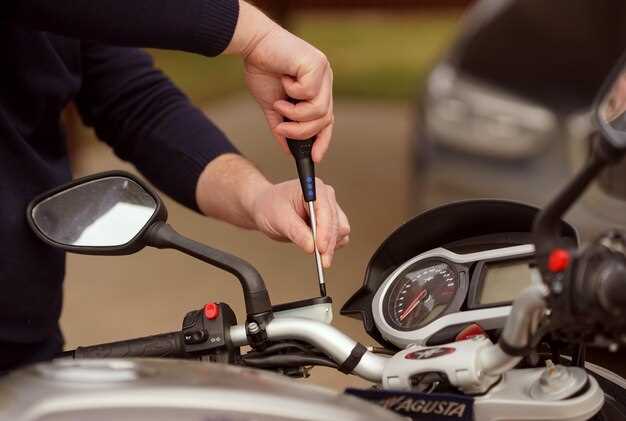
When new riders decide to take to the open road, having the right gear is crucial for safety and comfort. Here are the essential items that every beginner should consider before embarking on their motorcycle journey.
First and foremost, a quality helmet is non-negotiable. Look for a full-face helmet that meets safety standards, offering both protection and comfort. Choose one that fits snugly and securely, allowing for proper airflow while riding. A well-fitted helmet helps reduce fatigue and increases overall awareness.
In addition to a helmet, wearing protective clothing is vital. Invest in a motorcycle jacket made from durable materials, ideally with built-in armor at impact points. This type of gear will provide necessary protection while also keeping you warm or cool depending on the weather. Additionally, motorcycle pants with reinforced areas are designed specifically for riding, making them a great choice for new riders.
Don’t overlook the importance of gloves. Specialized riding gloves not only protect your hands but also enhance grip on the handlebars. Look for gloves with padding and abrasion-resistant materials to ensure comfort and safety as you learn to ride.
Footwear is equally important. Opt for sturdy, ankle-high boots that offer protection and support. Shoes designed specifically for motorcycle riding will help you maintain control and provide better grip on the foot pegs.
Lastly, consider investing in additional accessories like riding glasses or a visor. These items protect your eyes from wind, debris, and sunlight, allowing for a clearer view of the road ahead. With the right gear, new riders can learn how to ride confidently and safely.
Basic Riding Techniques to Improve Your Confidence
For new riders, mastering basic riding techniques is essential to build confidence on the road. Understanding key concepts can help you ride more safely and comfortably.
Start by practicing balance while riding. Keep your body relaxed and maintain a steady grip on the handlebars. Shift your weight gently as you lean to navigate turns, ensuring that you remain in control of the motorcycle.
Another crucial technique is throttle control. Smoothly accelerate and decelerate to maintain stability. Avoid abrupt changes in speed, as these can lead to loss of control. Learning to apply the throttle and brake gradually will enhance your riding comfort.
Braking is equally important. Familiarize yourself with both the front and rear brakes. Applying them simultaneously gives you better stopping power. Always practice braking in a safe area, experimenting with different pressures to find what works best for you.
Observing your surroundings improves your spatial awareness. Always check mirrors and scan the road ahead for potential hazards. Developing a habit of looking where you want to go will help in making smooth lane changes and navigating obstacles.
Finally, practice defensive riding techniques. Anticipate the actions of other drivers and remain alert. Keeping a safe distance from vehicles in front allows you to react promptly, adding to your sense of security while riding.
By dedicating time to refine these basic riding techniques, new riders can enhance their skills and ride with increased confidence.