
Checklist for Inspecting a Pre-Owned Motorcycle

Purchasing a pre-owned motorcycle can be an exciting yet daunting experience. The dream of hitting the open road on two wheels comes with the responsibility of ensuring that your chosen ride is in optimal condition. This is where a thorough inspection becomes crucial. Having a reliable motorcycle inspection checklist at your disposal will empower you to make informed decisions, mitigating risks associated with buying a used bike.
In this guide, we will outline essential tips that will help you navigate the inspection process efficiently. Whether you’re a seasoned rider or a newcomer to the motorcycling world, understanding what to look for during your motorcycle inspection can save you from potential headaches down the road. From engine checks to frame integrity, we’ll cover the vital aspects you need to assess before sealing the deal on your pre-owned motorcycle.
Stay tuned to equip yourself with the knowledge required to conduct a comprehensive inspection, ensuring that your new-to-you motorcycle not only meets your aesthetic preferences but also performs reliably on the road. Let’s get started on the journey to finding the perfect used motorcycle for you!
Key Components to Inspect Before Purchase
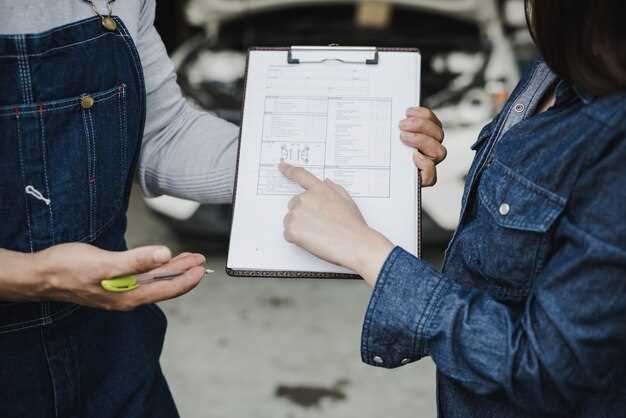
When buying a pre-owned motorcycle, a thorough inspection is crucial to ensure a wise investment. Here are essential components that require careful assessment during your inspection.
1. Frame and Bodywork: Begin by examining the frame for any signs of damage or welds, which may indicate past accidents. Check the bodywork for scratches, dents, and rust. These imperfections not only affect aesthetics but can also impact the structural integrity of the motorcycle.
2. Engine: The engine is the heart of the motorcycle. Inspect for oil leaks and ensure there are no unusual noises during startup. Pay attention to the exhaust for smoke, which may signal internal issues. Additionally, review maintenance records to verify regular oil changes and service intervals.
3. Tires: Check the tires for wear and proper tread depth, which is vital for safe handling. Uneven wear might indicate alignment or suspension problems. Ensure that both front and rear tires are in good condition and have been maintained properly.
4. Brakes: Inspect both the front and rear brake systems. Look for any signs of wear on the brake pads and discs. Test the brakes to ensure they respond promptly and do not produce unusual sounds. Good brakes are essential for safety.
5. Suspension: Evaluate the suspension system by pushing down on the bike to see how it rebounds. The suspension should feel smooth and controlled. Check for oil leaks around the fork seals and examine the rear shock absorbers for any signs of damage.
6. Electrical System: Verify that all electrical components, including lights, indicators, and the horn, are functioning properly. Inspect the battery for any corrosion and ensure it holds a charge. A well-maintained electrical system is key to a dependable ride.
7. Fluids: Inspect all fluid levels, including oil, coolant, and brake fluid. Low levels can indicate neglect or potential problems. Fresh, clean fluids are a sign of a well-cared-for motorcycle, while dirty or contaminated fluids may raise red flags.
8. Registration and Title: Finally, ensure the motorcycle has a clean title and valid registration. Confirm that the VIN on the title matches the one on the bike. This step can prevent future legal issues and confirms ownership history.
Following these tips during your inspection can help you make an informed decision when purchasing a pre-owned motorcycle, ensuring your investment is sound and your ride is enjoyable.
Common Red Flags in Used Motorcycles
When buying a used motorcycle, it’s essential to conduct a thorough inspection to identify potential issues. Certain red flags can indicate underlying problems that may affect performance, safety, or overall value.
1. Unusual Noises: Listen for any strange sounds when the engine is running. Knocking or grinding noises can signify severe mechanical issues that may require costly repairs.
2. Fluid Leaks: Inspect the ground beneath the motorcycle for any fluid leaks. Oil, coolant, or brake fluid drips can indicate poor maintenance or serious engine troubles.
3. Worn Tires: Check the condition of the tires for uneven wear, cracks, or low tread. Worn tires can affect handling and safety and may need immediate replacement.
4. Corrosion and Rust: Look for signs of corrosion on the frame, engine, and other components. Excessive rust can compromise structural integrity and indicate prolonged exposure to the elements.
5. Modified Parts: Be cautious of motorcycles with extensive modifications. While some upgrades may be beneficial, others can lead to performance issues or may not align with safety standards.
6. Incomplete Maintenance Records: A lack of maintenance documentation is a red flag. Detailed records can provide insights into the motorcycle’s history and the level of care it has received.
7. Low Mileage Compared to Age: An unusually low mileage for an older motorcycle can suggest that it has been stored for extended periods, raising concerns about engine and component degradation.
8. Poorly Maintained Exterior: Scratches, dents, and faded paint may indicate neglect. A well-maintained motorcycle should show signs of care, both mechanically and aesthetically.
Identifying these red flags during your inspection can help you make an informed decision when buying a used motorcycle, ensuring that you get a reliable and safe vehicle.
Essential Tools for an At-Home Inspection

When conducting an inspection of a pre-owned motorcycle at home, having the right tools can significantly enhance the thoroughness and effectiveness of your evaluation. Below are essential tools every motorcycle enthusiast should have on hand.
Firstly, a comprehensive set of wrenches and sockets is crucial. These allow you to tighten or loosen various components such as the battery terminals, handlebars, and exhaust systems, ensuring all parts are secure and functioning properly.
A torque wrench is another important tool. It helps to achieve manufacturer-specified torque levels when tightening bolts, which is vital for safety and performance. An improper torque can lead to mechanical failure on the road.
Oil filters and air filters should be inspected regularly; thus, having a quality filter removal tool is advantageous. This ensures that you can easily access and replace components that may be clogged or damaged.
A reliable tire pressure gauge is necessary to check the tire pressure of the motorcycle. Maintaining the correct pressure is key to safety and handling, and it can also improve fuel efficiency.
Utilizing a multimeter will help in assessing electrical systems, such as checking battery voltage and testing wiring connections for any potential faults. This diagnostic tool is invaluable for identifying electrical issues before they become serious problems.
Lastly, a good flashlight or work light is essential for inspecting dark areas of the motorcycle. Proper illumination allows for a detailed examination of components that may otherwise be overlooked, such as the undercarriage or engine compartment.
By gathering these tools, you can perform a thorough inspection of a pre-owned motorcycle, ensuring its mechanical soundness and safety for future rides.