
Handlebar Options for Style and Comfort
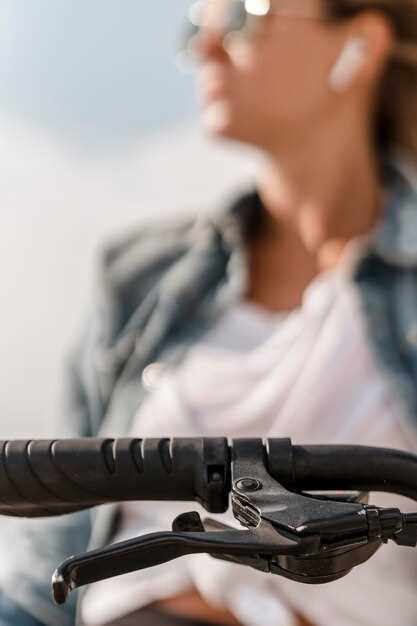
When it comes to personalizing your bicycle, one of the most crucial components to consider is the handlebars. These parts not only play a significant role in your riding experience but also significantly influence the overall aesthetics of your bike. Selecting the right handlebars involves understanding how different shapes and widths affect comfort and control while you ride.
Comfort is paramount for any cyclist, whether commuting, touring, or racing. The right handlebars can alleviate strain on your back and wrists, which is especially important for longer rides. Different handlebar designs, such as drop, riser, or flat bars, each offer unique ergonomic benefits that cater to various riding styles and preferences. By choosing the right set, you can enhance your overall biking experience.
Style is equally important in the bike world. Handlebars come in a myriad of designs, colors, and finishes, allowing riders to express their personal flair. Finding handlebars that complement your bike’s aesthetic while also ensuring comfort can be a balancing act. This article will guide you through the key factors to consider when selecting the perfect handlebars, focusing on both functionality and visual appeal.
Types of Handlebars and Their Impact on Riding Position
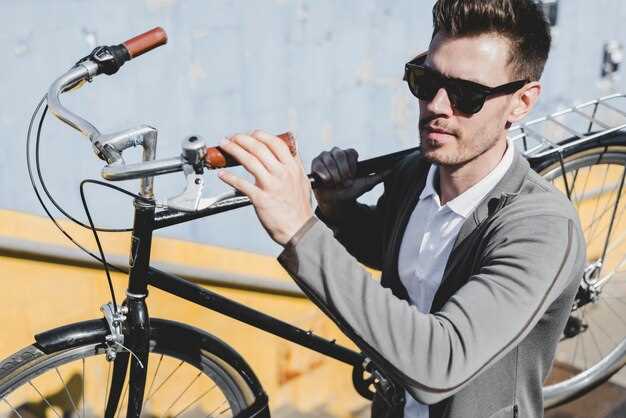
Handlebars significantly influence both comfort and style on a motorcycle. Understanding the different types of handlebars available can help riders select the most suitable option for their needs.
Clip-on handlebars provide a sporty, aggressive riding position, commonly found on sport bikes. Their low profile encourages a forward lean, which enhances aerodynamics but may lead to discomfort on longer rides. Riders who value speed and control often opt for clip-ons, making them ideal for racing enthusiasts.
Standard handlebars are characterized by their moderate rise and width. They offer a neutral riding position, balancing comfort and control. This type is favorable for casual riders who prefer an upright stance, making longer journeys more manageable. Their versatility allows customization with various grips and accessories.
Flat handlebars, popular among mountain bikes and some cruiser styles, create a relaxed position. This style promotes a natural posture, reducing strain on the back and arms. Flat handlebars are great for leisurely rides and commuting, providing easy maneuverability in urban environments.
Lifted or rise handlebars, often seen in cruiser motorcycles, elevate the rider’s hands, resulting in a comfortable, upright position. This design minimizes pressure on the lower back and is well-suited for relaxed riding. However, the relaxed posture might compromise control during high-speed maneuvers.
Custom handlebars allow riders to tailor their motorcycle to their unique preferences. Adjusting options like height, width, and style can create a perfectly balanced setup that enhances comfort while reflecting personal style. Many riders invest in custom handlebars to achieve the ideal fit for their riding habits.
In conclusion, the type of handlebars chosen directly impacts riding position, comfort, and overall experience. Riders should consider their style, usage, and desired posture when selecting handlebars to ensure an optimal riding experience.
Custom Handlebar Options for Personalized Comfort and Aesthetics
When it comes to maximizing both comfort and style on your bike, customizing your handlebars can make a significant difference. Various parts and configurations are available to ensure that your ride is not only comfortable but also reflects your personal aesthetic. Custom handlebars can enhance your biking experience by improving ergonomics, adjusting height and width, and allowing for unique designs that stand out.
One of the most popular custom handlebar options is the rise and sweep of the bars. By selecting the ideal rise, you can achieve a more relaxed riding position, significantly reducing strain on your back and shoulders during long rides. The sweep, or bend of the handlebars, can also be tailored to complement your natural wrist position, providing comfort while maintaining control.
In addition to functionality, aesthetics play a crucial role in your handlebar selection. Custom parts allow you to choose colors, finishes, and materials that align with your bike’s overall theme or your personal style. From classic chrome to bold powder-coated options, the choice of finish can enhance not only the look of your handlebars but the entire bike.
Moreover, grips are an essential part of custom handlebars that should not be overlooked. Different materials and textures can provide varying levels of comfort and grip, allowing for a tailored feel that makes each ride enjoyable. Consider options such as ergonomic grips that reduce pressure points or vintage-style grips that add a touch of charm.
Finally, the addition of accessories like handlebar extensions, spacers, or bar ends can further customize your bike. These parts enable fine-tuning of handlebar height and width, ensuring that every rider can find their perfect fit. With the right custom handlebar options, comfort can merge seamlessly with aesthetics, creating a personalized cycling experience that stands out on the road.
Installing and Adjusting Handlebars for Optimal Ride Experience
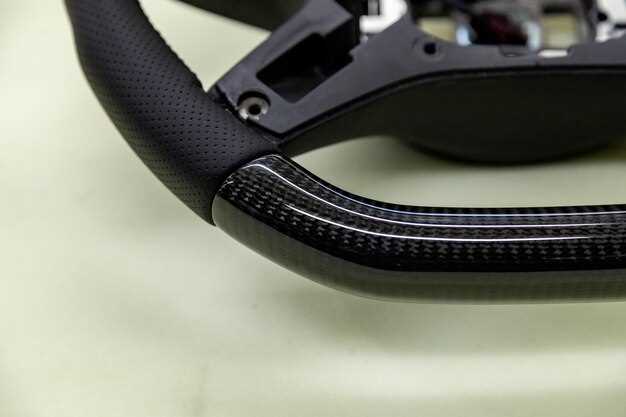
Proper installation and adjustment of handlebars are essential for enhancing comfort and ensuring a safe riding experience. Selecting the right parts and understanding the installation process will lead to better handling and control.
Here are the key steps to install and adjust your handlebars:
-
Select the Right Handlebars:
- Consider the type of riding you will be doing (road, mountain, casual).
- Choose handlebars that match your body size and riding style.
- Ensure the width and rise suit your comfort needs.
-
Preparation:
- Gather necessary tools: a torque wrench, hex keys, and a screwdriver.
- Ensure your bike is stable, preferably in a bike stand.
- Remove existing handlebars if applicable, taking care not to damage other parts.
-
Installation:
- Align the new handlebars with the stem, ensuring the brake and gear cables are not pinched.
- Insert the handlebars into the stem and tighten the bolts gradually to avoid misalignment.
- Use a torque wrench to apply the manufacturer’s recommended torque for the bolts.
-
Adjustment:
- Stand over the bike and ensure that the handlebars are level with the front wheel.
- Adjust the height using the stem spacers if necessary for optimal reach.
- Test the handlebar angle; comfortable wrist position is crucial for long rides.
After installing, perform a thorough check:
- Ensure all bolts are tight and secure.
- Test ride to assess comfort and handling.
- Make further adjustments as needed to fine-tune the ride experience.
Monitoring handlebar setup throughout your riding sessions will help maintain optimal comfort and performance. Regular checks can prevent any discomfort that may arise from improper adjustments or wear over time.