
How to Practice Riding Safely in Parking Lots
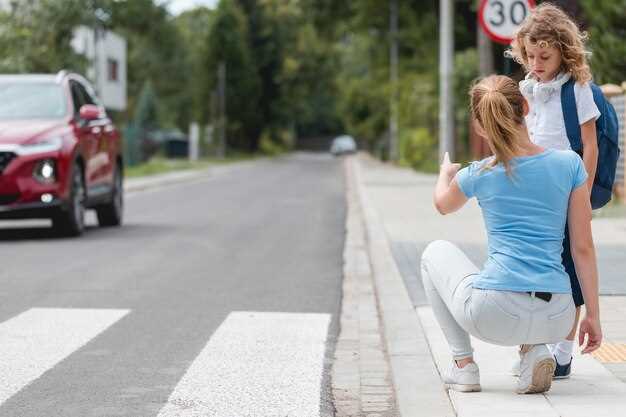
Parking lots are often bustling with activity, and navigating them safely is crucial for all users–drivers, cyclists, and pedestrians alike. To ensure a secure environment, it’s essential to adopt safe riding practices that prioritize caution and awareness, particularly in slow-speed situations. By understanding the unique challenges posed by parking lots, riders can significantly reduce the risk of accidents.
One of the primary aspects of safe riding in these areas is maintaining a slow-speed approach. Riders must be conscious of their speed, as the combination of reduced visibility and unpredictable movements of other vehicles and pedestrians can lead to dangerous situations. Furthermore, slowing down allows riders to react quickly to any unforeseen obstacles or changes in their surroundings, enhancing overall safety.
In addition to speed control, it is vital to be mindful of your surroundings and to practice defensive riding. This includes being aware of vehicles reversing, pedestrians crossing, and the potential for sudden movements from other road users. Adopting these principles will contribute to a safer parking lot experience for everyone involved, ensuring you arrive at your destination without incident.
Mastering Balance: Techniques for Stationary and Slow Movements
Maintaining balance during stationary and slow-speed maneuvers is crucial for safe riding, particularly in a parking lot environment. Achieving stability at low speeds requires specific techniques that enhance control and confidence.
First, practice the basic stance. Position your feet firmly on the foot pegs, keeping your body upright and centered over the bike. This stance allows for better weight distribution, which is essential for balance. Engaging your core muscles provides additional stability and helps absorb any minor shifts in the bike’s position.
Next, focus on throttle control. At slow speeds, applying throttle smoothly helps maintain momentum while preventing abrupt movements that can lead to loss of balance. Gradually increase the throttle as you move, and be prepared to adjust it based on your immediate surroundings.
Turning techniques are also vital for slow-speed balance. When making turns, lean your body slightly in the direction of the turn while keeping the bike upright. This will shift your center of gravity and enhance control during the maneuver. Additionally, utilize the handlebars to guide the bike, making gentle adjustments rather than sharp turns.
Practicing slow-speed maneuvers, such as figure eights or tight circles, can significantly improve your balance. These exercises force you to maintain control in confined spaces and enhance your ability to react to unexpected obstacles. Start with wider turns and gradually decrease the radius as you gain confidence and proficiency.
Finally, always be aware of your environment. Engage your senses to identify potential hazards, which allows for timely adjustments in positioning and speed. A keen awareness of your surroundings will help you maintain balance and control, especially in crowded parking lots.
Navigating Tight Spaces: Slow-Speed Maneuvering Skills
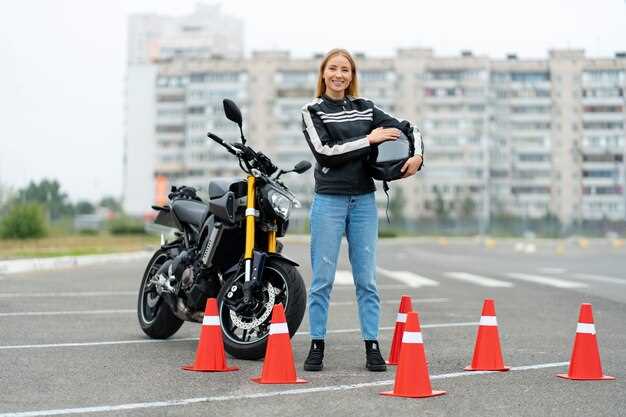
When it comes to parking lots, tight spaces can present a unique challenge for drivers. Mastering slow-speed maneuvering skills is essential for safely navigating these areas. This involves controlling your vehicle’s speed and direction with precision, which is crucial for avoiding obstacles and ensuring the safety of pedestrians.
To develop these skills, practice is key. Begin by finding an empty parking lot or a designated practice area where you can focus on slow-speed maneuvers without distractions. Set up cones or markers to simulate tight spaces, which will help enhance your spatial awareness. Engage in various maneuvers such as parallel parking, three-point turns, and backing into spaces. Each time you practice, aim to refine your technique, making adjustments as necessary to improve your accuracy.
Using your mirrors and checking blind spots are paramount during these maneuvers. These actions enhance your awareness of your surroundings and prevent potential accidents. Remember that at slow speeds, your steering input will significantly affect your vehicle’s trajectory, so practice smooth and deliberate wheel movements.
Additionally, be patient with yourself as you develop these skills. Slow-speed maneuvering may seem simple, but it requires a combination of coordination and concentration. By consistently practicing your techniques, you’ll become more confident in navigating tight spaces, ultimately contributing to a safer parking lot experience.
Understanding Parking Lot Hazards: Situational Awareness and Response
Parking lots present unique challenges for drivers. In these areas, hazards often arise due to the combination of slow-speed vehicles, pedestrians, and various obstacles. To navigate parking lots safely, it is essential to cultivate situational awareness and respond effectively to potential dangers.
Situational awareness in a parking lot involves being alert to your surroundings and understanding potential risks. Key components include:
- Identifying the presence of pedestrians, especially children and the elderly.
- Monitoring other vehicles, which may back out of spaces unexpectedly.
- Recognizing fixed objects such as light poles, shopping carts, and landscaping.
- Being aware of weather conditions that may affect visibility or pavement traction.
To improve your situational awareness, consider the following practices:
- Always drive slowly: Reducing your speed allows for better reaction time to sudden movements of pedestrians or other vehicles.
- Scan your environment: Regularly check mirrors and blind spots while navigating through the parking lot.
- Use hazard lights: Activate hazard lights when stopping to alert others to your vehicle’s presence.
When hazards are encountered, an appropriate response is critical. Steps to take include:
- Apply the brakes smoothly and early to avoid sudden stopping.
- Communicate with other drivers and pedestrians through eye contact and hand signals.
- Adjust your path if necessary, steering clear of any potential dangers.
Regular practice of these strategies enhances awareness and ensures safer navigation of parking lots. By cultivating a proactive mindset toward potential hazards, drivers can significantly reduce the likelihood of accidents and create a safer environment for all users.