
Riding Through National Parks – What You Need to Know
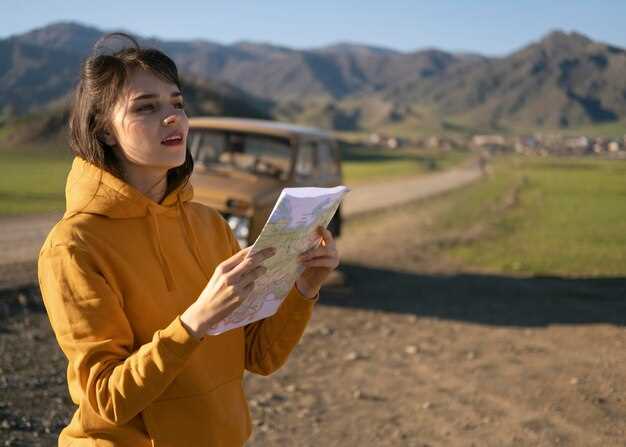
Biking through national parks offers an exhilarating way to connect with nature while enjoying the stunning scenery that these protected areas provide. Whether you’re planning your first trip or are a seasoned biker, there are crucial tips and considerations that can enhance your experience and ensure your safety.
Before embarking on your next biking trip, it’s essential to familiarize yourself with the specific trails available in the park you intend to visit. Each park has its own regulations regarding biking, including designated paths, restrictions on bike types, and seasonal accessibility. Understanding these rules will help you avoid potential hazards and ensure you can enjoy the park’s beauty without any interruptions.
Moreover, proper preparation is key to making the most of your experience. This includes checking the weather forecast, packing necessary gear, and having a reliable bike that can handle various terrains. In national parks, the trails can vary significantly in difficulty, so choosing a route that matches your skill level will not only enhance your enjoyment but also take safety into consideration.
Choosing the Right Motorcycle for Park Trails
Selecting the appropriate motorcycle for navigating the diverse trails in national parks is crucial for both safety and enjoyment. Not all motorcycles are designed to handle the varied terrains and conditions found in scenic parks, so understanding your needs is essential.
1. Understand the Trail Types: National parks offer a range of trails, from smooth, paved roads to rugged off-road paths. Ensure you choose a motorcycle that can handle the specific terrain you intend to explore. For rough trails, an adventure or dual-sport motorcycle is often the best choice, providing durability and stability.
2. Consider Engine Capacity: The engine size and power output should match your experience level and the trails you’ll be riding. Beginners may be more comfortable with smaller engines, while experienced riders tackling steep inclines or challenging paths might opt for larger displacements for better performance.
3. Weight Matters: Heavier motorcycles can be more challenging to maneuver, particularly on narrow or uneven trails. A lighter bike enhances control and ease of handling, making it ideal for navigating through tight spots or climbing steep gradients.
4. Suspension and Tires: Look for motorcycles equipped with advanced suspension systems that can absorb shocks from uneven terrain. Additionally, rugged tires with deeper treads significantly improve grip and traction over dirt and gravel, crucial for safer rides in national parks.
5. Comfort and Ergonomics: Long hours on the bike can lead to discomfort. Opt for a motorcycle that offers a comfortable riding position, adjustable seat height, and neutral ergonomics to reduce fatigue during your park explorations. Adequate wind protection can also enhance the riding experience.
6. Fuel Efficiency: National park trails can be remote, so considering fuel efficiency is wise. A motorcycle with better mileage can extend your adventures without frequent stops for refueling.
Choosing the right motorcycle for park trails is an investment in your overall experience. Prioritizing these factors will ensure a thrilling and safe ride through the beautiful landscapes of national parks.
Navigating Park Regulations and Safety Guidelines
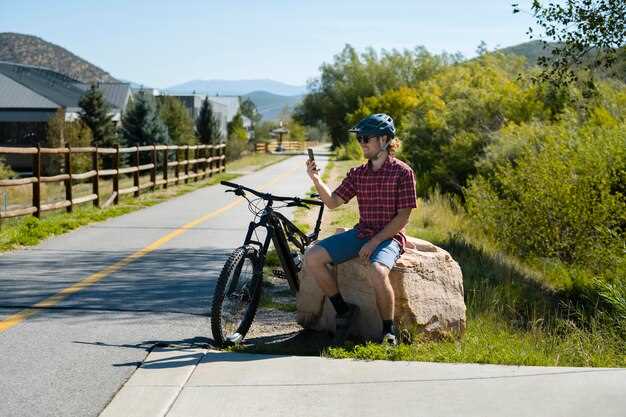
When planning your trip to national parks, understanding and adhering to park regulations is crucial for ensuring a safe and enjoyable experience. Each park has specific rules that help protect the natural environment, wildlife, and visitors. Before embarking on your adventure, familiarize yourself with these regulations.
1. Park Entry Requirements: Most national parks require a pass for entry, whether you are biking or riding a motorcycle. Check the park’s website for information on fees, passes, and any special permits that might be necessary for specific activities.
2. Designated Trails: Always stick to designated biking trails. Riding off-trail can damage ecosystems and may lead to safety hazards. Parks often have specific paths for bicycles, so ensure you are aware of their locations and follow any posted signage.
3. Speed Limits: Respect speed limits on trails to ensure the safety of all visitors, including hikers and wildlife. Biking at a controlled speed helps prevent accidents and promotes a safer environment for everyone in the park.
4. Wildlife Encounters: Parks are home to diverse wildlife. Maintain a safe distance from animals and observe them from afar. Avoid abrupt movements or loud noises that could startle wildlife, leading to dangerous situations.
5. Safety Equipment: Always wear a helmet while biking. In addition, consider wearing reflective gear, especially in low-light conditions. Carry a basic repair kit and a first-aid kit, as remote areas may not have immediate access to help.
6. Prepare for Weather Changes: Parks are often subject to rapid weather changes. Check the forecast and dress appropriately. Being prepared can make a significant difference in your comfort and safety during your trip.
7. Plan Your Route: Before starting your ride, plan out your route, noting distances and estimated travel times. This is especially important for longer trips to ensure you can return before dark and remain within park boundaries.
By following these guidelines, you can enhance your biking experience while respecting national parks’ natural beauty and regulations. Enjoy your adventure while ensuring safety for yourself and the environment.
Packing Essentials for a National Park Motorcycle Trip

Preparing for a motorcycle trip in national parks requires careful planning to ensure a safe and enjoyable adventure. Here are essential items to pack for your journey:
- Protective Gear:
- Helmet
- Jacket (with armor)
- Pants (preferably motorcycle-specific)
- Gloves
- Boots
- Navigation Tools:
- GPS device or smartphone with maps
- Printed maps of the national parks
- Compass
- Camping Gear (if applicable):
- Lightweight tent
- Sleeping bag suitable for the climate
- Sleeping pad
- Camping stove or portable grill
- Cookware and utensils
- Clothing:
- Layers to accommodate changing weather
- Rain gear
- Sunglasses
- Swimwear (if planning to stop at lakes or rivers)
- Food and Hydration:
- Non-perishable snacks (energy bars, nuts)
- Water bottles or hydration reservoirs
- Electrolyte supplements
- Emergency Kit:
- First aid kit
- Tire repair kit
- Multi-tool
- Flashlight with extra batteries
- Personal Items:
- ID and necessary permits for national parks
- Credit cards and cash
- Camera or smartphone for documenting your trip
By ensuring you have these essentials packed, your motorcycle trip through national parks can be both seamless and memorable. Always check park regulations before departure to avoid any restrictions or requirements.