
The Role of ABS in Motorcycle Safety

Advanced braking systems, particularly Anti-lock Braking Systems (ABS), have become a critical component in enhancing motorcycle safety. The implementation of ABS technology in motorcycles has contributed significantly to reducing the risk of accidents, especially during emergency braking scenarios. By preventing wheel lock-up, ABS allows riders to maintain steering control, which is crucial for avoiding potential hazards on the road.
The mechanics of ABS operate by modulating brake pressure during panic stops, ensuring that the wheels do not lose traction. This system empowers riders to react swiftly to unforeseen circumstances while maintaining stability. As a result, a motorcycle equipped with ABS tends to outperform non-ABS models in safety tests, highlighting the direct correlation between this technology and rider protection.
Moreover, numerous studies have shown that motorcycles fitted with ABS exhibit a lower incidence of severe injuries in crash situations. The statistical evidence underscores the importance of this safety feature, encouraging manufacturers to equip their models with ABS as a standard component. Ultimately, the integration of advanced braking systems not only enhances the safety of individual riders but also contributes to overall road safety, reflecting a vital evolution in motorcycle design and technology.
How ABS Technology Enhances Motorcycle Braking Performance

Anti-lock Braking System (ABS) significantly improves the braking performance of motorcycles by preventing wheel lockup during hard braking situations. When a rider applies the brakes aggressively, the ABS system intervenes by modulating the brake pressure, allowing the wheels to maintain traction with the road surface. This is crucial because locked wheels can lead to loss of control and increased stopping distances.
One of the primary advantages of ABS is its ability to maximize braking efficiency. The system continually monitors the rotational speed of each wheel, allowing for real-time adjustments. If the system detects a wheel beginning to lock, it rapidly pulses the brake pressure, reducing it momentarily before reapplying it. This process occurs several times per second, ensuring that the rider maintains the best possible grip throughout the braking action.
Moreover, ABS technology enhances stability during emergency stops. Riders often instinctively apply maximum braking force to avoid obstacles, which can lead to skidding. With ABS, the motorcycle remains stable as it prevents wheel lock; thus, the rider can remain more upright and steer around the obstruction if necessary. This increased maneuverability can be a critical factor in accident avoidance.
In addition to its performance benefits, ABS technology contributes to rider confidence. Knowing that the motorcycle is equipped with an advanced braking system allows riders to focus more on the road rather than the mechanics of braking. This peace of mind promotes safer riding practices and can ultimately lead to fewer accidents.
Overall, the integration of ABS technology in motorcycles represents a significant advancement in braking systems, providing enhanced performance, safety, and control for riders in a variety of conditions.
The Role of ABS in Reducing Accidents Among Riders
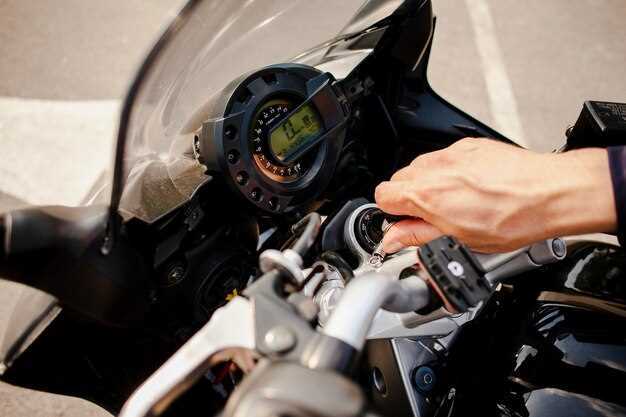
Anti-lock Braking System (ABS) plays a pivotal role in enhancing motorcycle safety by preventing wheel lock-up during emergency braking situations. When a rider suddenly applies the brakes, especially in adverse weather conditions, wheels can lock, leading to a loss of control and potential accidents. ABS mitigates this risk by modulating brake pressure, allowing the rider to maintain steering control while effectively slowing down.
Statistical analyses demonstrate that motorcycles equipped with ABS experience significantly lower accident rates compared to those without. This technology is particularly beneficial in preventing crashes caused by skidding. Riders are often faced with unpredictable situations where sudden stops are necessary; ABS provides a crucial advantage in such scenarios, enabling smoother deceleration while preserving maneuverability.
Moreover, ABS encourages more confident riding behavior. Knowing that their motorcycle has an advanced braking system, riders may be less hesitant to apply brakes fully during emergencies. This psychological aspect enhances overall road safety, as full braking can significantly reduce stopping distances when executed correctly.
In addition, the effectiveness of ABS is particularly pronounced in wet or slippery conditions. These environments increase the likelihood of losing traction, making ABS a vital safety feature for any rider. By preventing wheel lock-up, ABS allows motorcyclists to navigate through challenging terrains safely, thereby further decreasing the possibility of accidents.
In summary, the integration of ABS in motorcycles is a transformative advancement in rider safety. By ensuring better control during braking, reducing stopping distances, and fostering rider confidence, ABS significantly contributes to lowering the incidence of accidents among motorcycle riders. Its importance in modern motorcycle design cannot be overstated, as it directly correlates with enhanced rider protection and overall road safety.
Comparative Analysis of ABS and Non-ABS Motorcycles in Real-World Scenarios
Anti-lock braking systems (ABS) have been widely adopted in the motorcycle industry, contributing significantly to rider safety. This analysis evaluates the performance of ABS and non-ABS motorcycles in real-world scenarios, focusing on their effectiveness during emergency braking situations and on various road conditions.
In emergency braking situations, ABS-equipped motorcycles prevent the wheels from locking up, allowing riders to maintain steering control. This capability is crucial when avoiding obstacles or navigating through traffic. In contrast, non-ABS motorcycles are prone to wheel lock-up under hard braking, which can lead to skidding and loss of control.
A study conducted on accident data indicates that riders on ABS motorcycles experience a statistically significant reduction in crash severity. Riders who utilize ABS are more likely to successfully brake in a controlled manner, resulting in fewer high-impact collisions. Moreover, ABS systems improve braking stability on slippery surfaces such as wet or icy roads, making them a vital safety feature for diverse riding conditions.
Non-ABS motorcycles may provide a more direct feel during braking, but this can result in dangerous outcomes if the rider is not proficient in modulation techniques. Less experienced riders often struggle with braking effectively, increasing their risk of accidents when riding non-ABS motorcycles.
Additionally, real-world tests demonstrate that ABS can reduce stopping distances in certain situations. For example, in a simulated emergency stop on a wet surface, ABS-equipped motorcycles typically outperformed their non-ABS counterparts by maintaining optimal tire-to-road contact without skidding.
In conclusion, while both ABS and non-ABS motorcycles have their merits, the advantages of ABS significantly enhance rider safety and control in various scenarios. With the increasing presence of ABS technology, the overall safety profile of motorcycling continues to improve, leading to a reduction in accident rates and enhancing protection for riders.